Showcasing Lithuania’s Cultural Heritage in Canada: New Heritage Map and Exhibition Unveiled
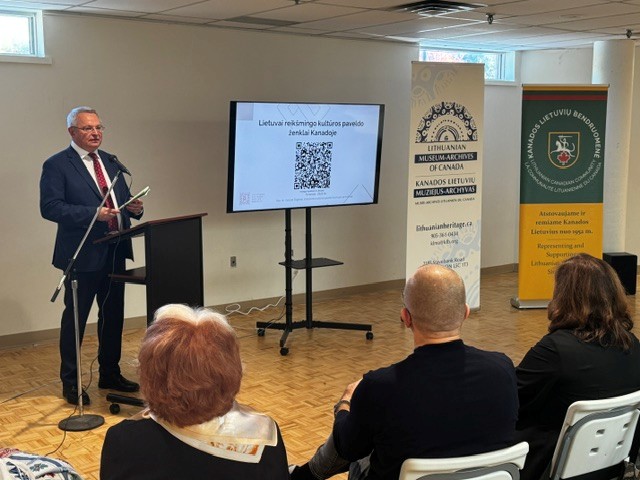
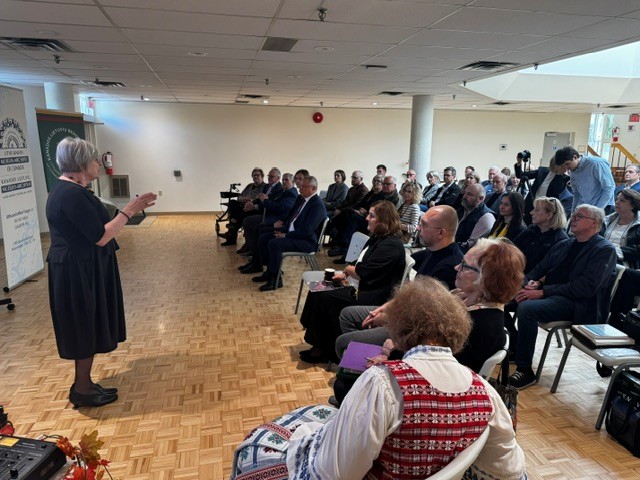
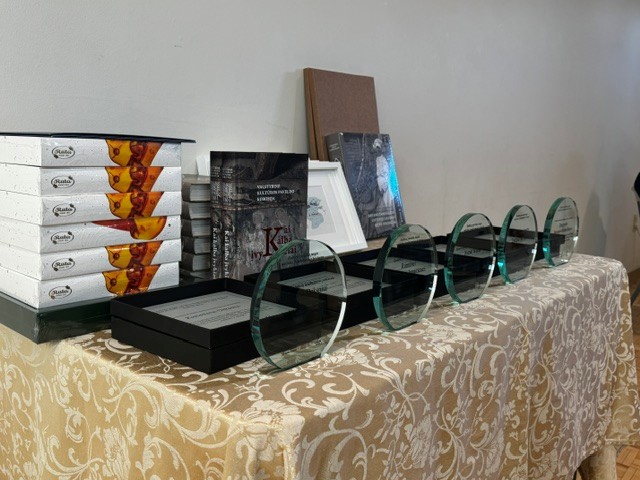
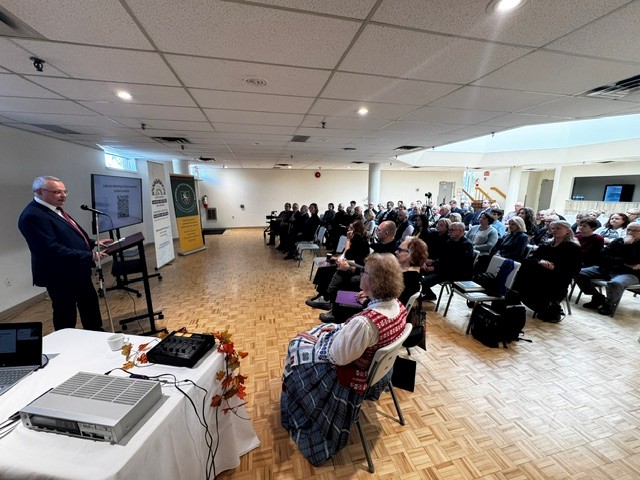
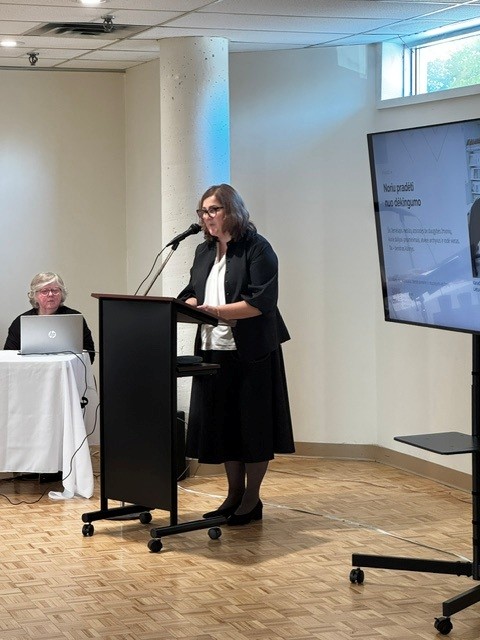
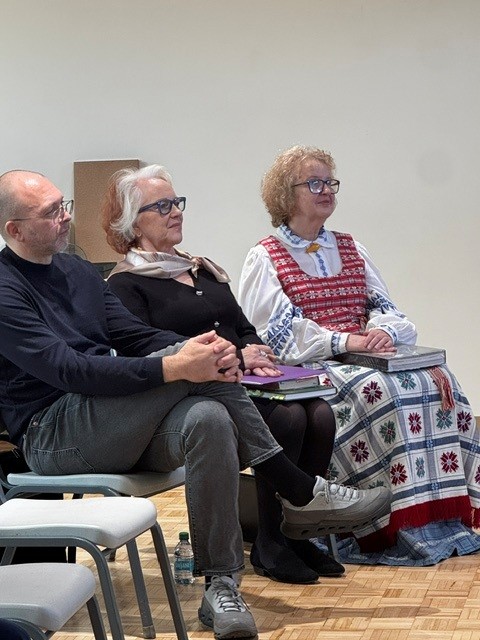
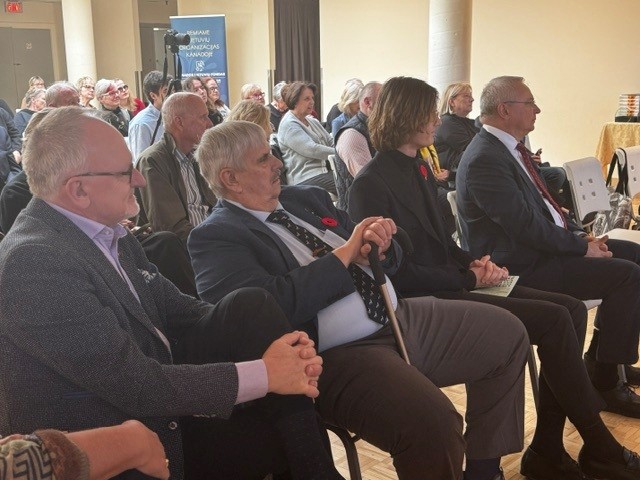
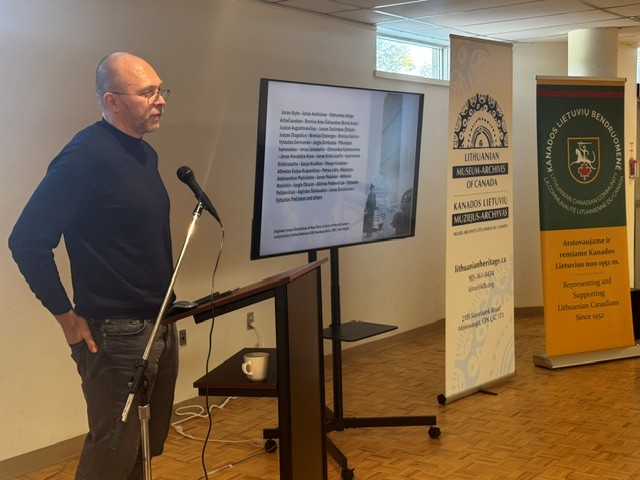
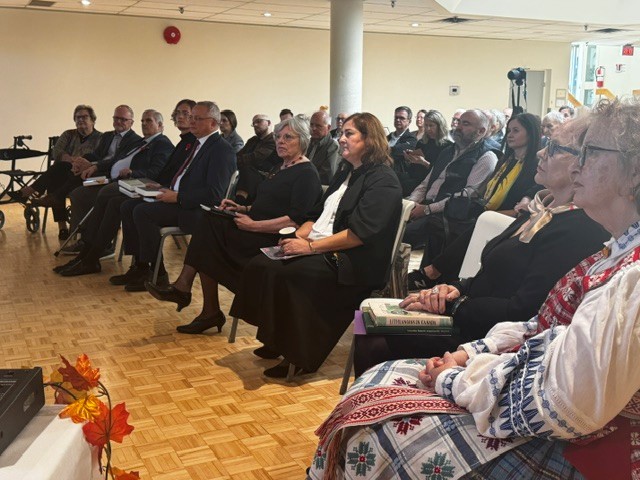
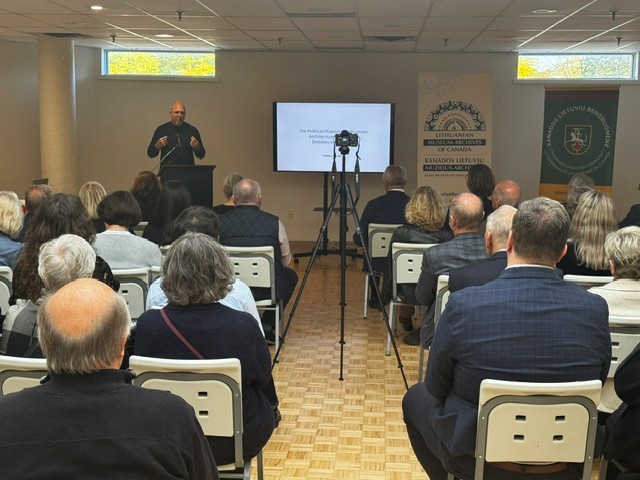
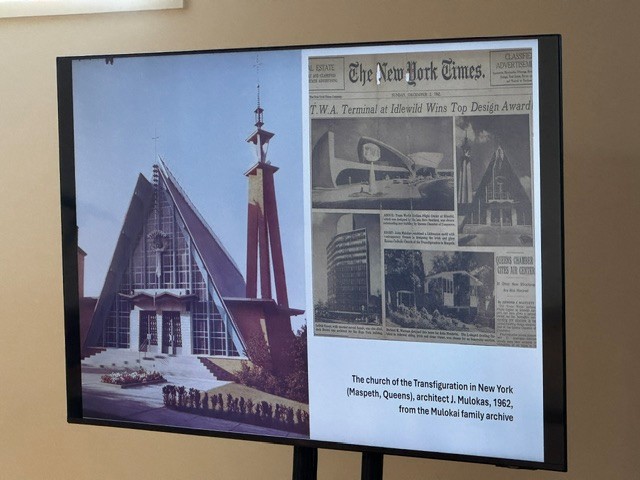
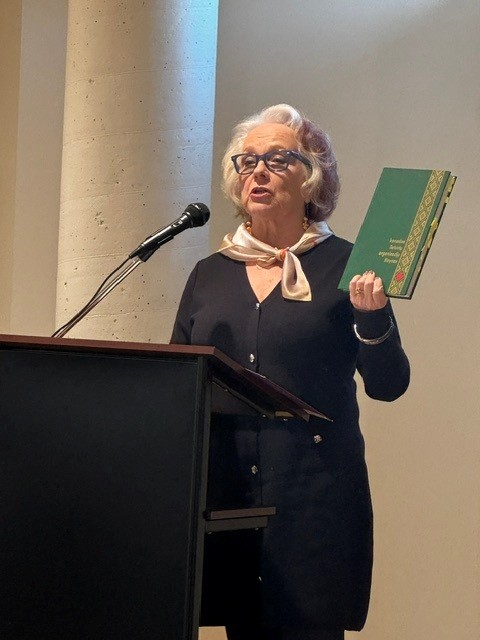
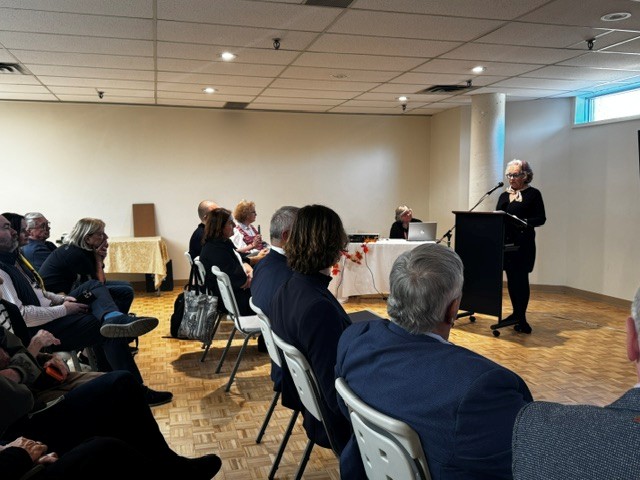
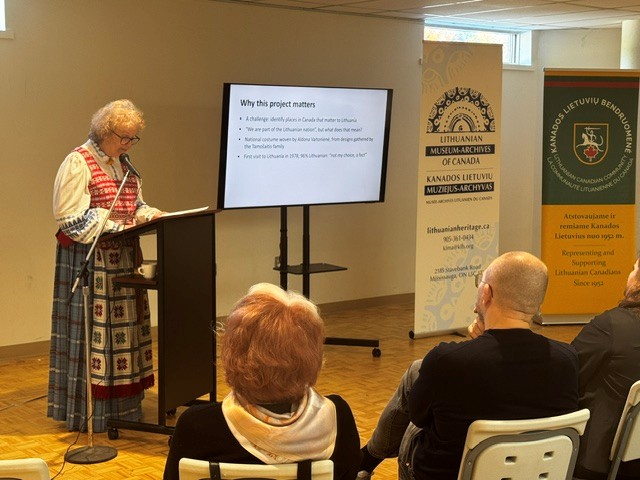
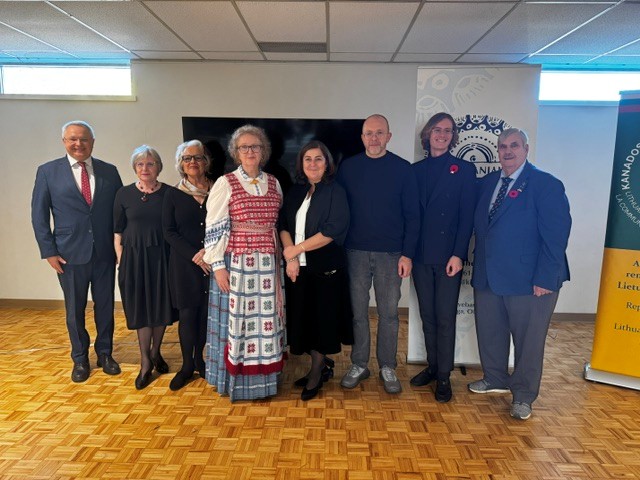
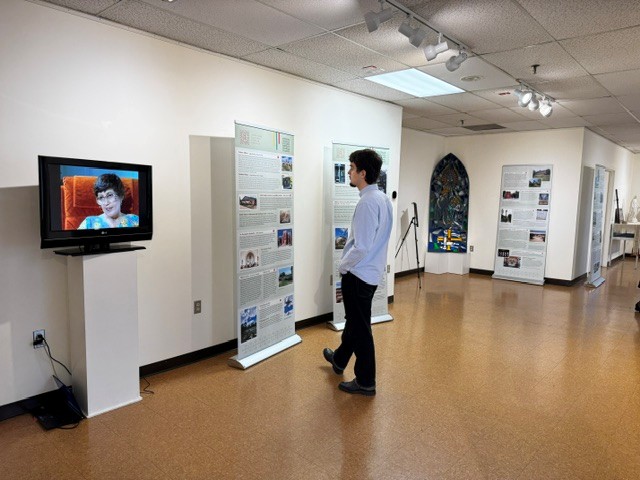
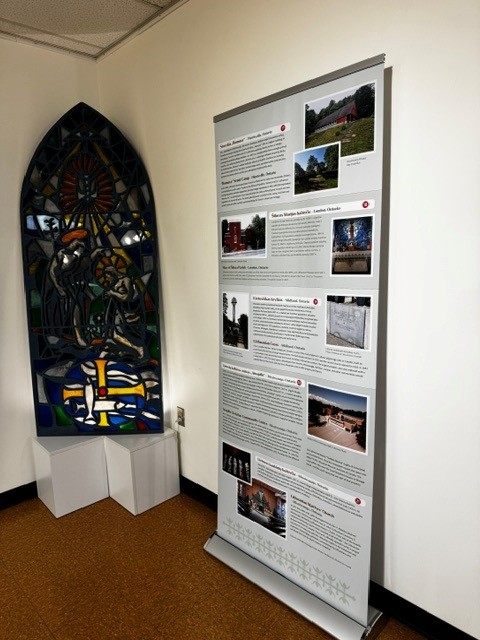
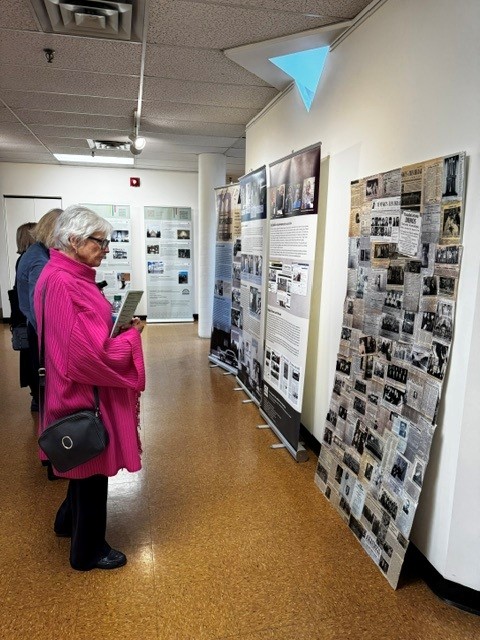
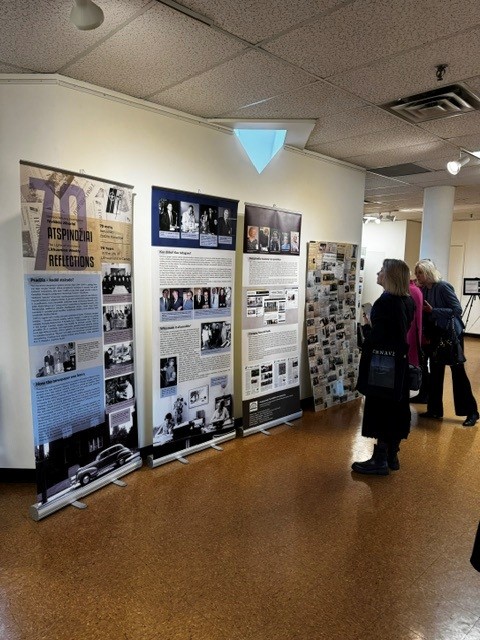
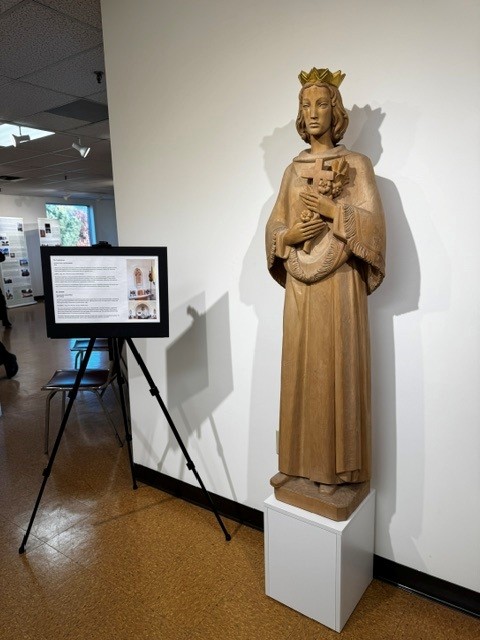
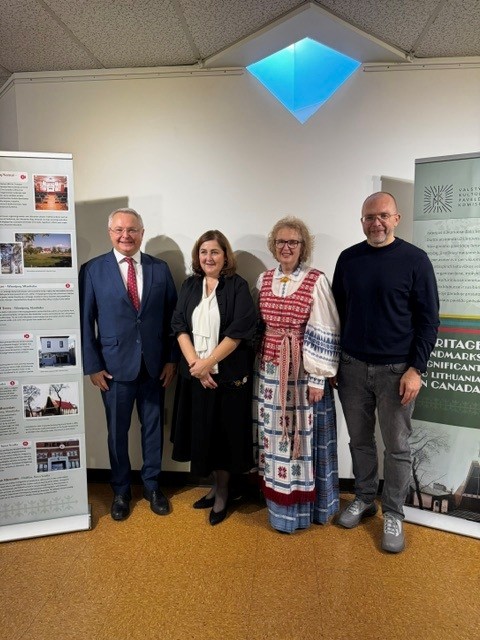
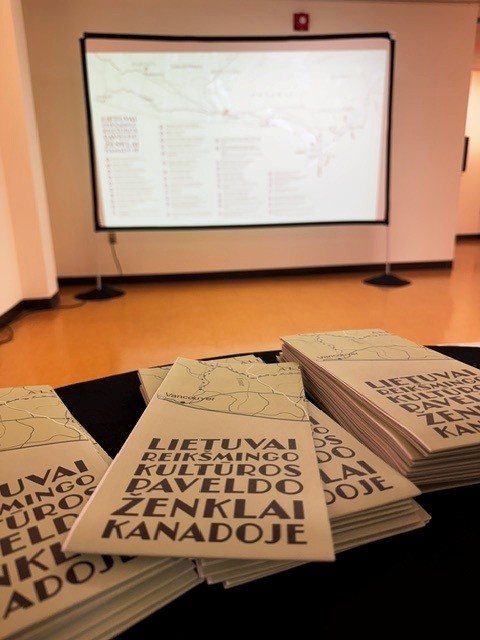
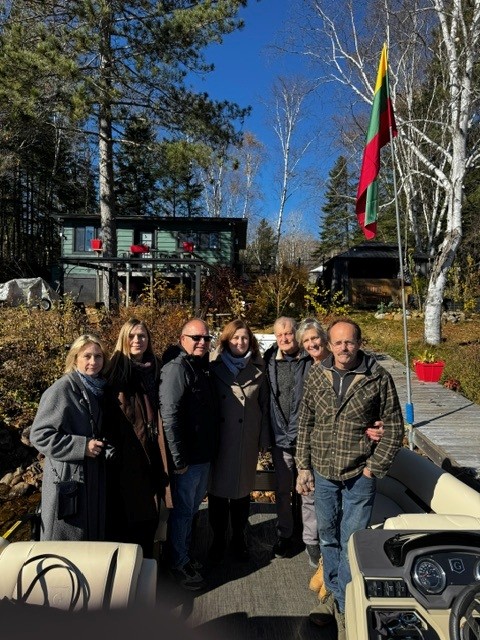
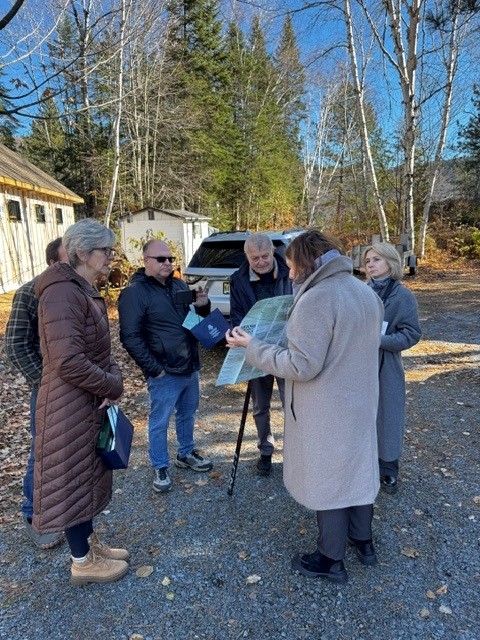
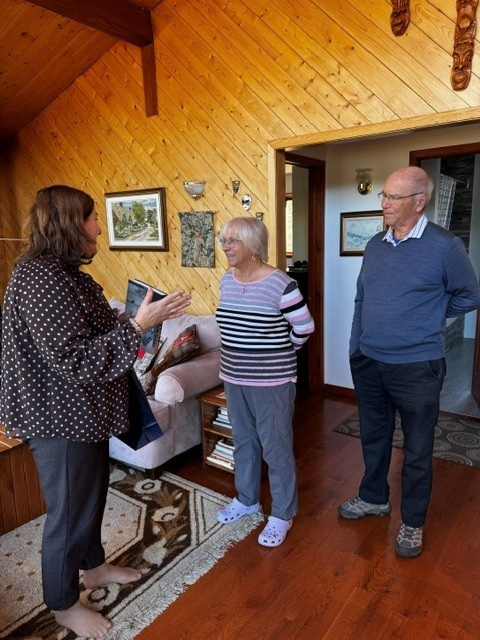
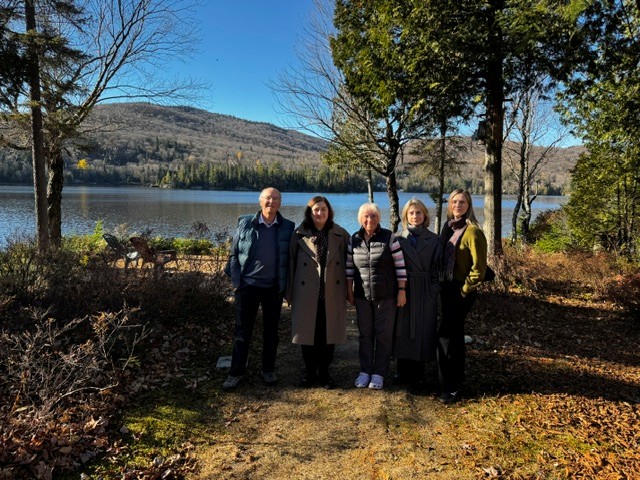
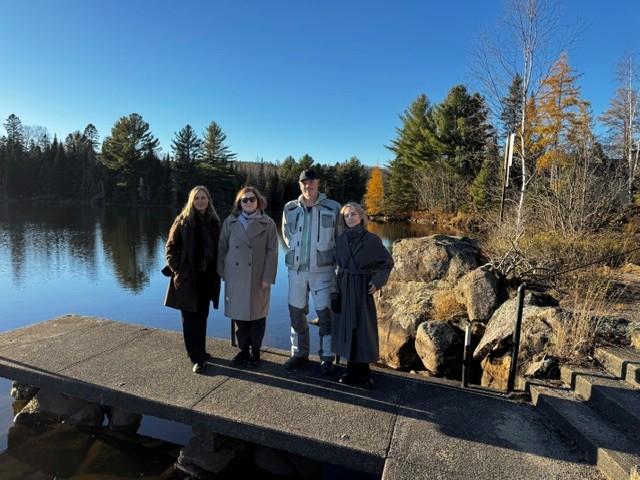
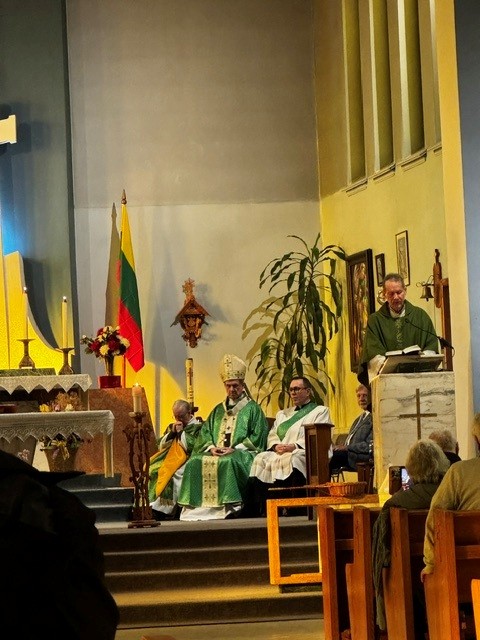
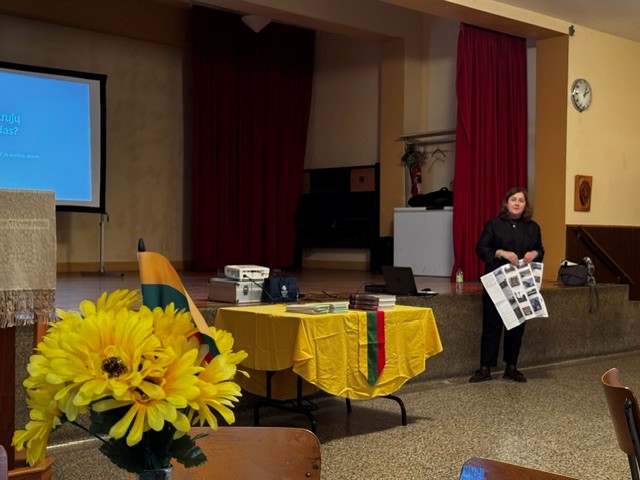
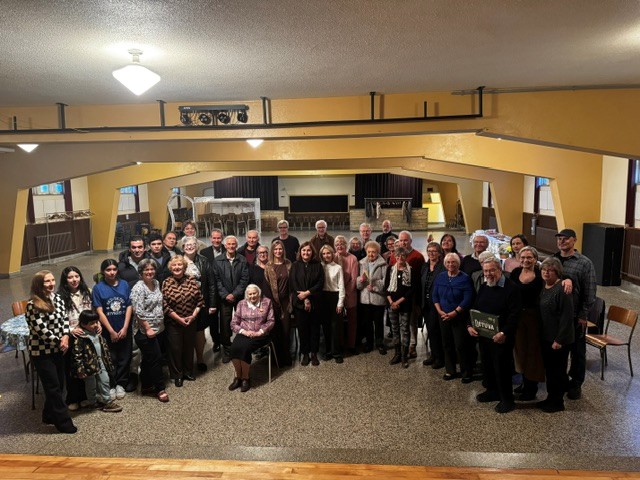
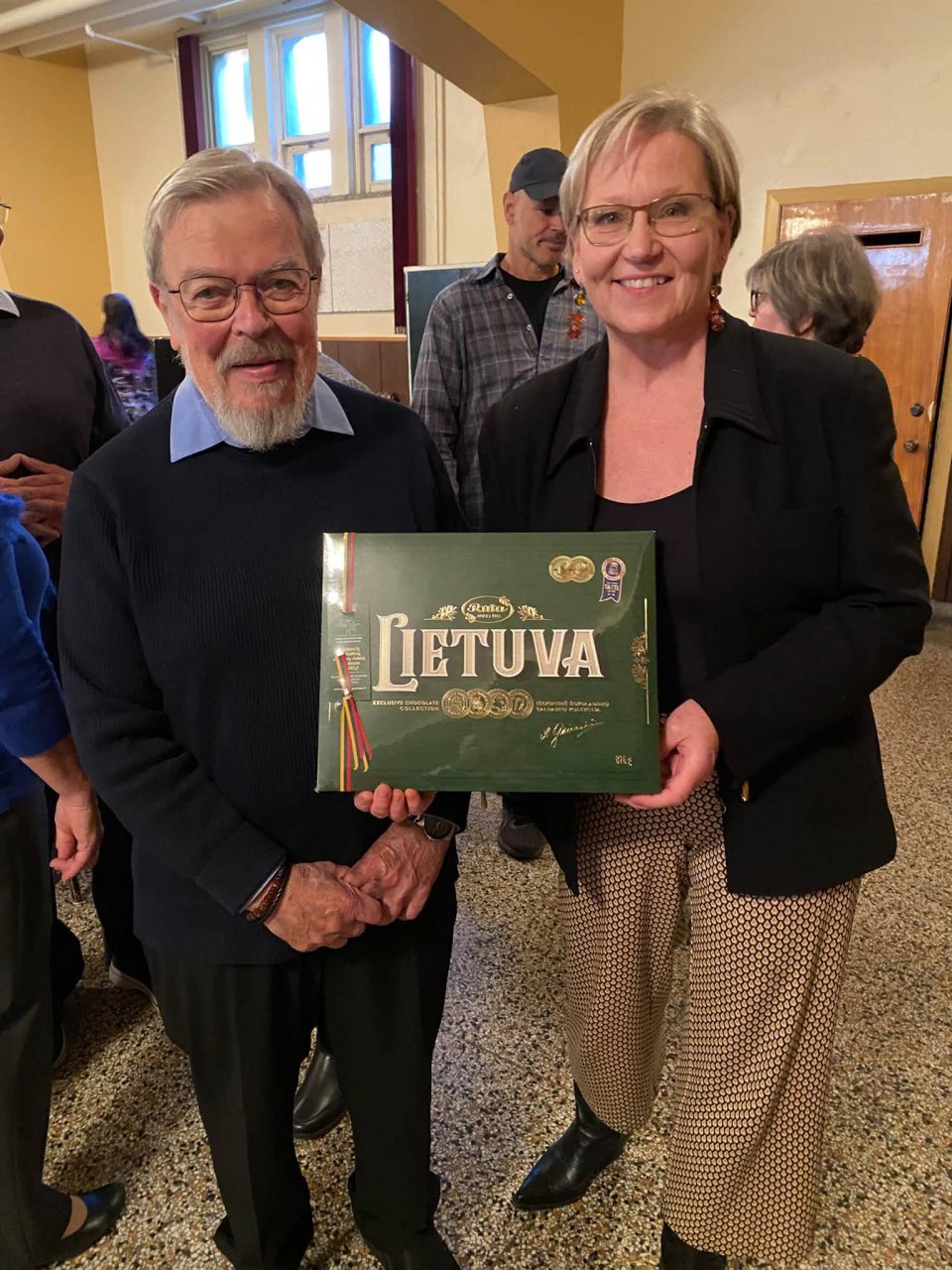
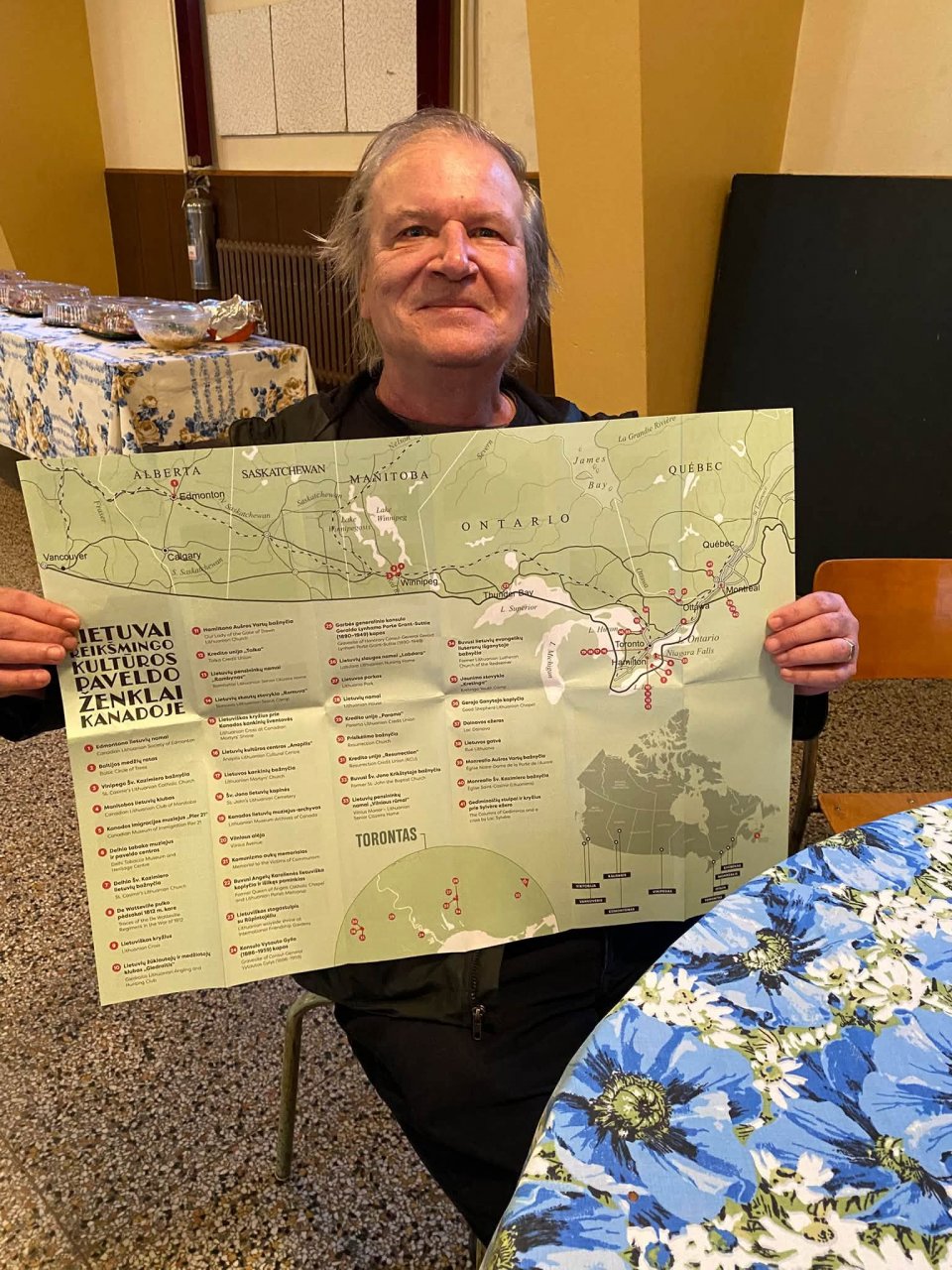
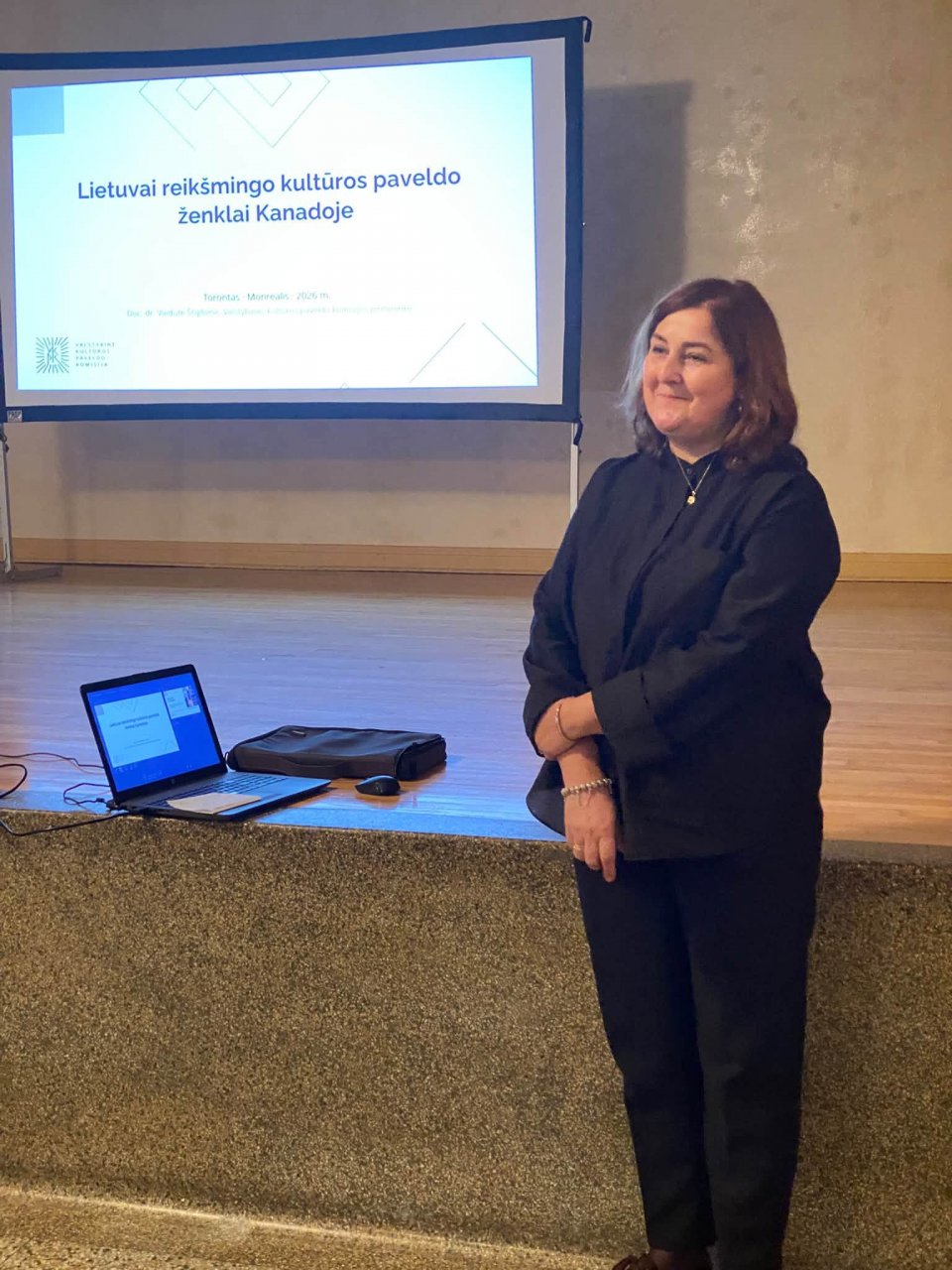
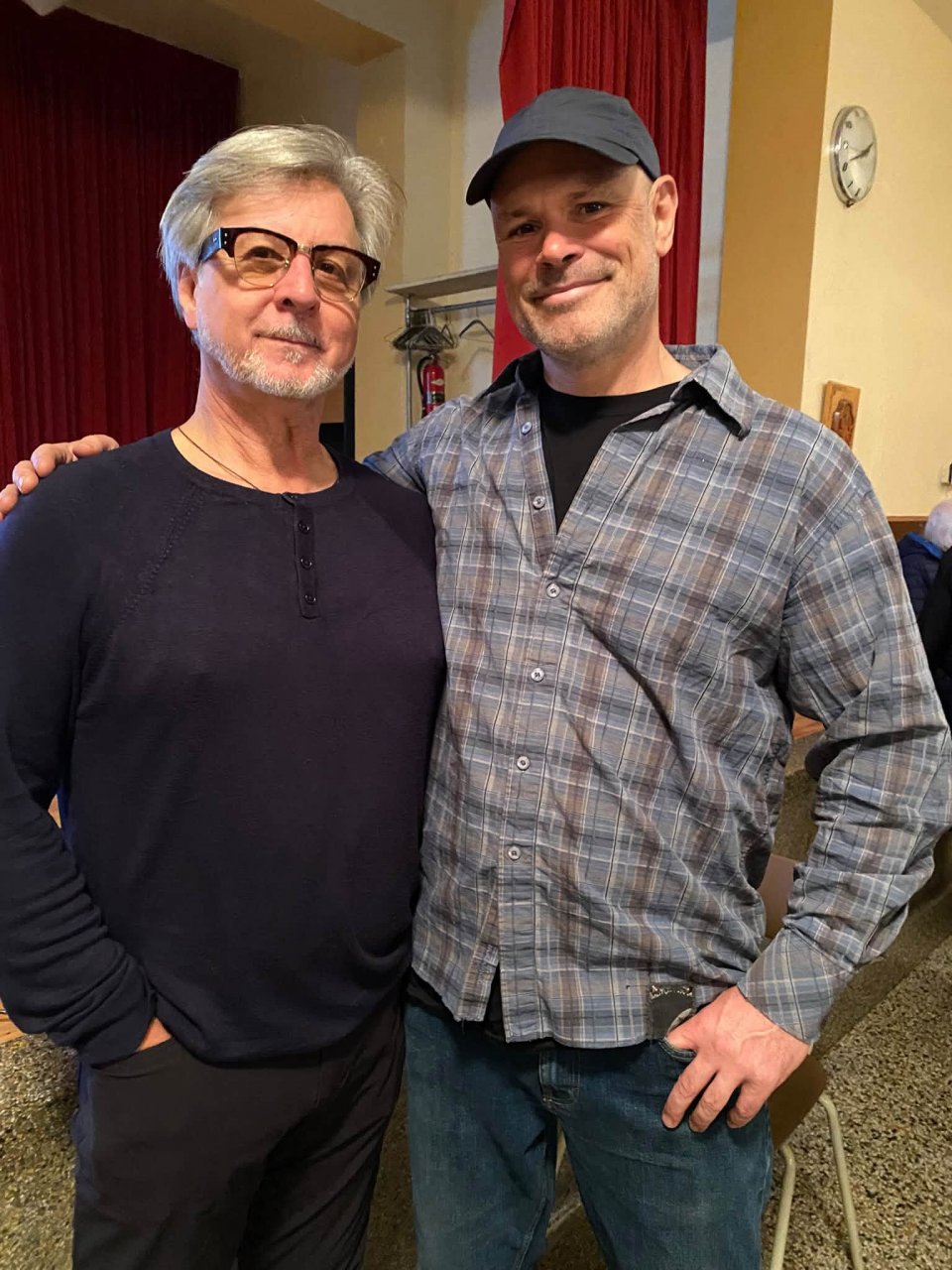
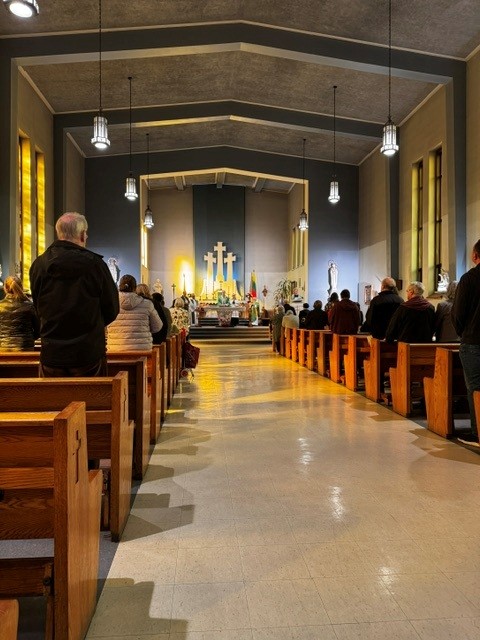
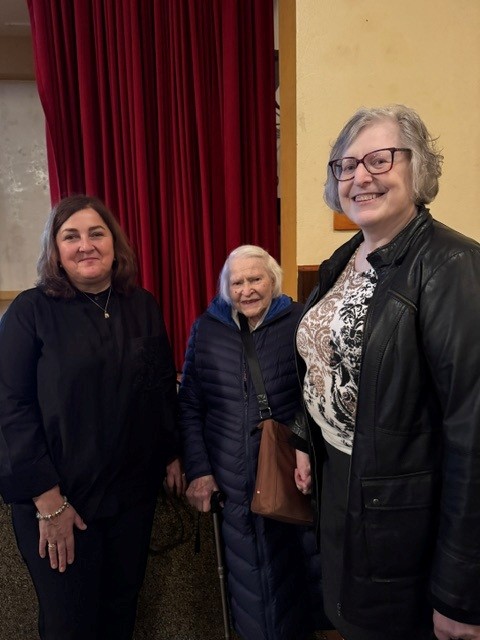
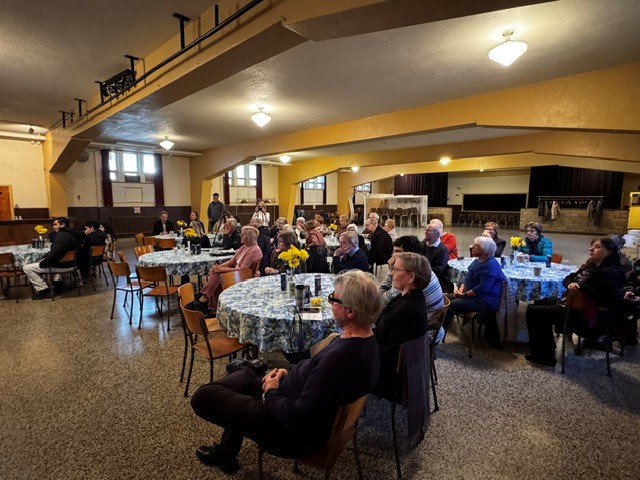
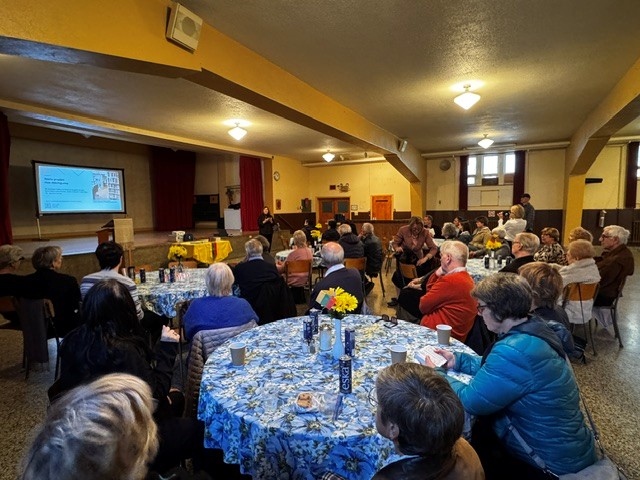
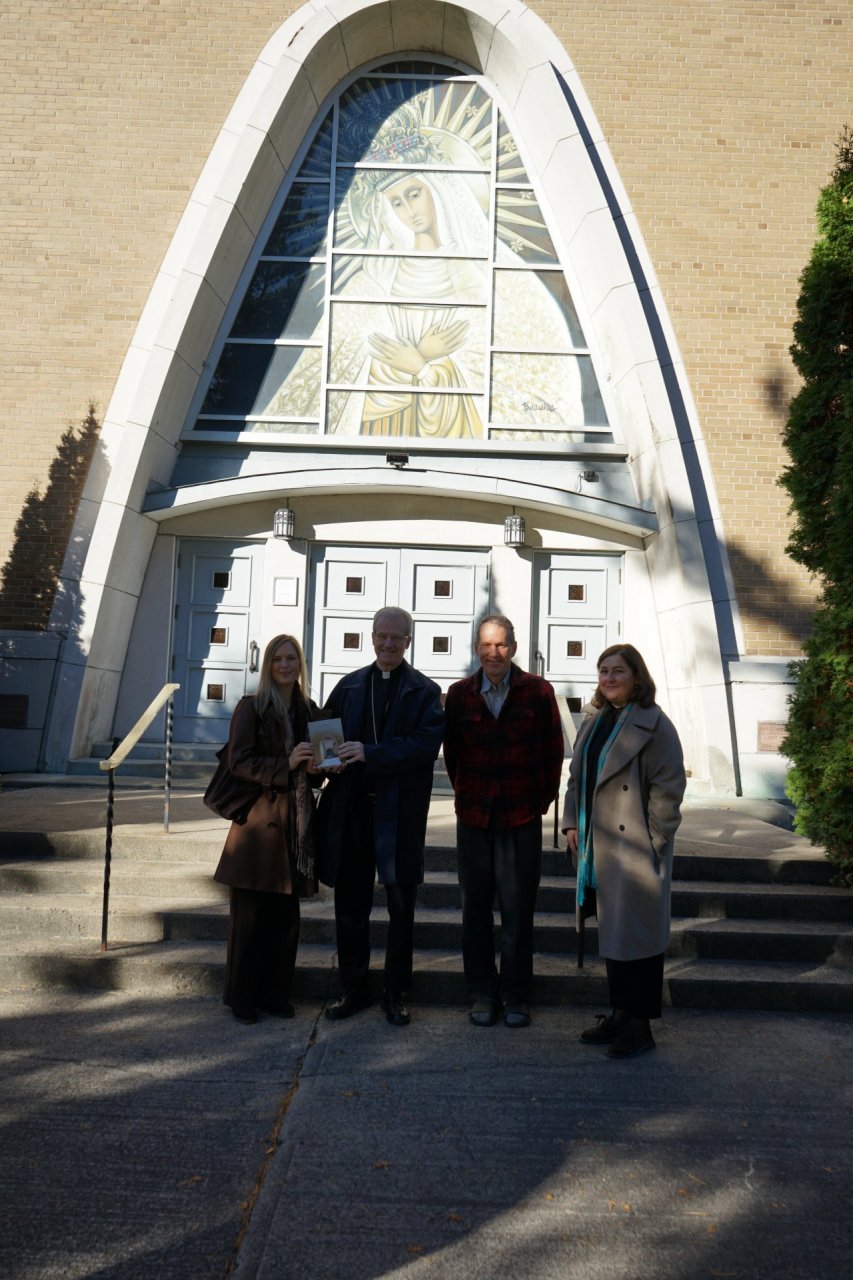
During the last week of October, a map of Lithuanian Cultural Heritage in Canada was presented to the Lithuanian communities in Montreal and Toronto. A unique exhibition dedicated to this heritage was also opened at the Lithuanian Museum-Archives of Canada.
This heritage is an important and inseparable part of Lithuania’s history. Throughout different periods and for various reasons, Lithuanians who left their homeland continued to preserve their national identity in Canada and other countries around the world. They established Lithuanian churches, schools and cultural centres, and erected monuments. This was particularly important during the years of Lithuania’s occupation, when the occupying powers sought to erase Lithuania from the world map and destroy its national identity.
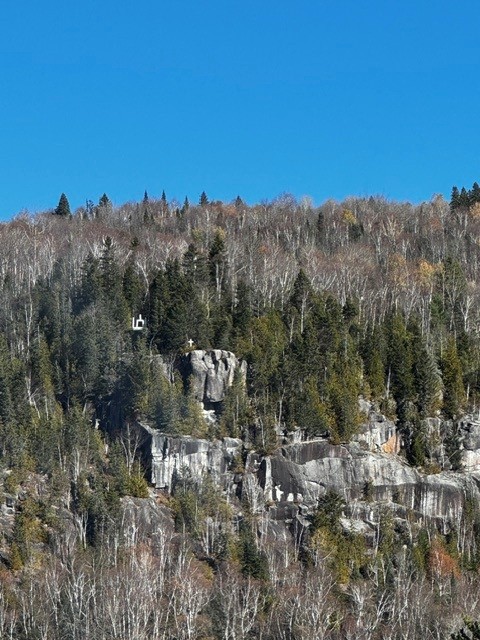
The heritage created by Lithuanian Canadians over more than a century is unique and remarkably diverse. The exhibition presents more than 50 cultural heritage sites in Canada that are significant to Lithuania, including both those that have survived and remain active, as well as those that no longer exist.
The exhibition and heritage map are just part of a project that has been underway for the past year and a half. Lithuanian heritage in Canada is also featured on the website of the State Commission for Cultural Heritage, in the U Heritage Map. In addition, a dedicated publication on cultural heritage in Canada significant to Lithuania is scheduled to be released in Lithuania by the end of this year.
This important and extensive project has been made possible through the combined efforts of Lithuanian state institutions and the Lithuanian diaspora in Canada. The key partners in its implementation are the Republic of Lithuania’s State Commission for Cultural Heritage, the Embassy of the Republic of Lithuania in Canada, the Lithuanian Museum-Archives of Canada and the Lithuanian Canadian Community.
Dr. Vaidutė Ščiglienė, Chair of the State Commission for Cultural Heritage, and Commission staff member Joana Trimonienė also travelled to Canada to present the map and meet with Lithuanian communities.
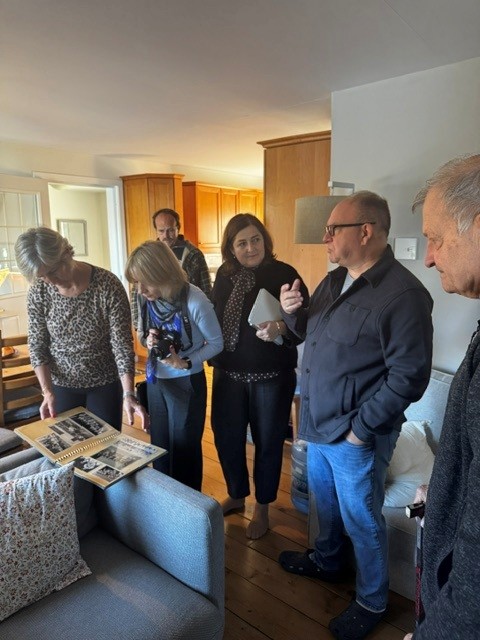
During the meetings, members of the Lithuanian community actively shared their memories, photographs of heritage sites and personal stories. Their contributions will help further develop this meaningful initiative and ensure that the heritage of Lithuanian national identity is preserved and passed on to future generations.